Kids Clothing: A Practical Guide to Comfort, Durability, and Everyday Style
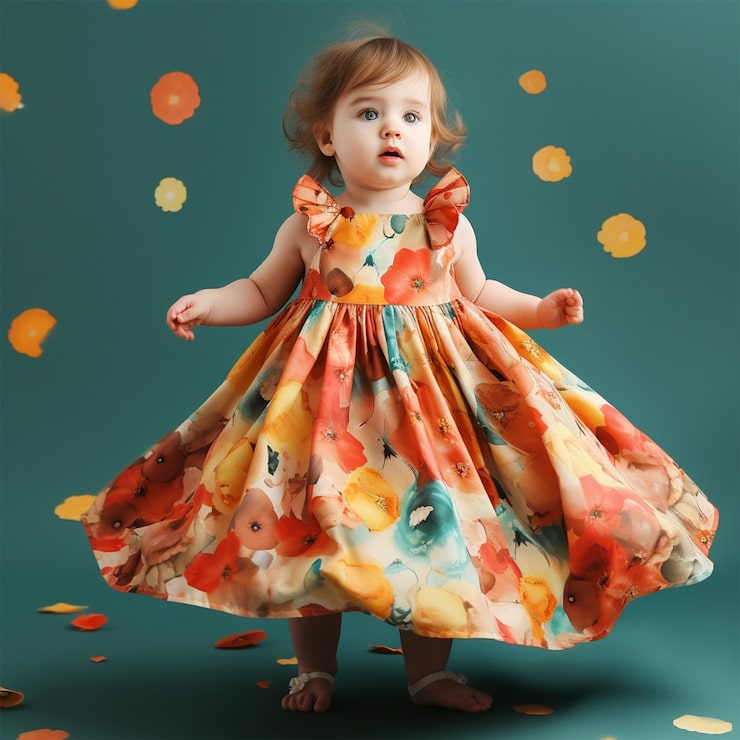
Choosing the right kids clothing is about balancing comfort, durability, and personal style. Children are constantly active—running, climbing, learning, and exploring—so their outfits need to support movement while withstanding daily wear. Well-selected kids clothing not only keeps children comfortable but also helps them feel confident in school, at play, and during special occasions.
Because children grow quickly and use their clothes intensively, parents benefit from focusing on fabric quality, smart sizing, and long-lasting construction. A thoughtful approach makes it easier to build a wardrobe that adapts to both growth and changing seasons.
Why Quality Kids Clothing Matters
Comfort is the foundation of good kids clothing. Children have sensitive skin, which makes breathable fabrics essential. Materials like cotton allow airflow and help regulate body temperature, reducing irritation and discomfort during long days.
Durability is equally important. Active play places stress on seams, knees, and elbows. Reinforced stitching, flexible fabrics, and strong fastenings ensure garments maintain their shape even after repeated washing. High-quality kids clothing resists fading, shrinking, and stretching, delivering better long-term value.
Proper fit also contributes to comfort and safety. Clothes that are too tight can restrict movement, while overly loose garments may cause inconvenience during physical activities.
Essential Categories in Kids Clothing
A practical wardrobe starts with versatile basics. T-shirts, leggings, jeans, shorts, and sweatshirts form the core of everyday wear. These pieces should mix and match easily, allowing multiple outfit combinations without excessive purchases.
Outerwear is another key category. Lightweight jackets are ideal for transitional weather, while insulated coats provide warmth during colder months. Hoodies and sweaters offer layering flexibility throughout the year.
Sleepwear deserves attention as well. Soft, breathable pajamas help maintain comfort and regulate temperature during the night. Properly fitted loungewear ensures children can relax comfortably at home.
For formal events, dresses, button-down shirts, and tailored trousers should combine neat appearance with ease of movement. Even dressier kids clothing must prioritize comfort to avoid restriction.
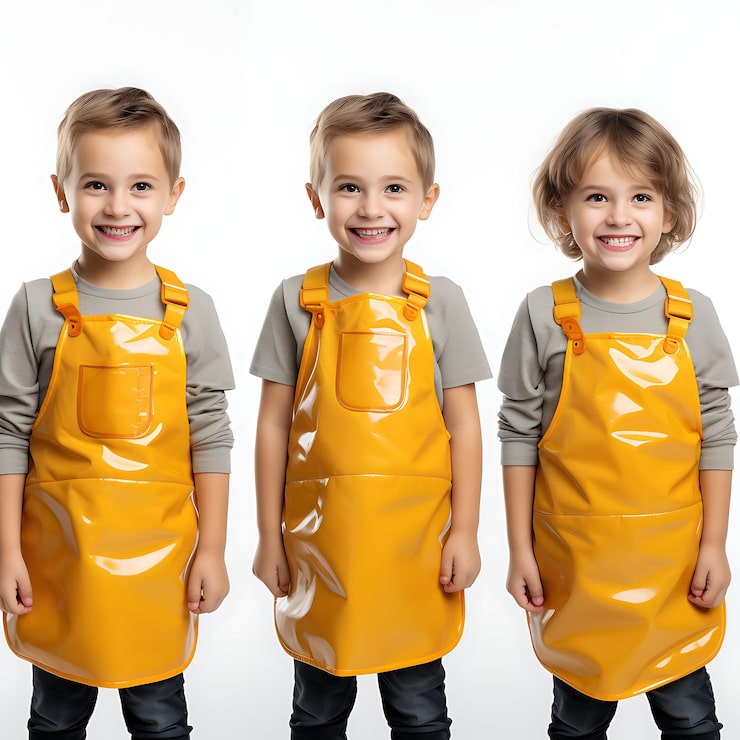
Choosing the Right Fabrics for Kids Clothing
Fabric selection influences both comfort and performance. Natural fibers such as cotton are widely preferred for daily wear because they are soft and breathable. Organic cotton may be particularly suitable for children with sensitive skin.
Blended fabrics containing elastane provide stretch, making them ideal for active play. For sportswear, moisture-wicking materials help manage sweat and maintain dryness. However, overly synthetic fabrics that trap heat should be limited in everyday outfits.
Easy-care fabrics are also important. Machine-washable and shrink-resistant materials simplify maintenance and extend garment lifespan.
Seasonal Dressing and Smart Planning
Seasonal adaptation ensures children remain comfortable year-round. In warmer months, lightweight fabrics and short-sleeved designs help prevent overheating. Light colors can reflect sunlight and enhance comfort during outdoor activities.
During colder seasons, layering is the most effective strategy. A breathable base layer, insulating mid-layer, and protective outer layer provide warmth without restricting movement. Thermal innerwear and weather-appropriate accessories enhance protection.
Rain-resistant jackets and durable footwear are practical additions that support comfort in unpredictable weather conditions.
Building a Balanced Kids Wardrobe
Since children grow quickly, selecting slightly adjustable or stretchable garments can extend usability. However, clothing should still fit properly to maintain comfort and ease of movement.
Choosing neutral base colors allows for easy mixing and matching. A few patterned or vibrant pieces can add personality while keeping the overall wardrobe versatile.
Durability remains the guiding factor. Well-made kids clothing retains softness, shape, and color after frequent washing, providing greater value over time.
Conclusion
Kids clothing should combine comfort, durability, and style to support an active and growing child. By focusing on breathable fabrics, proper fit, and seasonal versatility, parents can create a wardrobe that adapts to everyday activities and special occasions alike.
Thoughtfully chosen kids clothing ensures children remain comfortable, confident, and ready to explore every stage of their development.




Post Comment